
What It Actually Costs to Own a Private Jet
The purchase price is just the down payment on the real bill.
Jul 15, 20265 min read
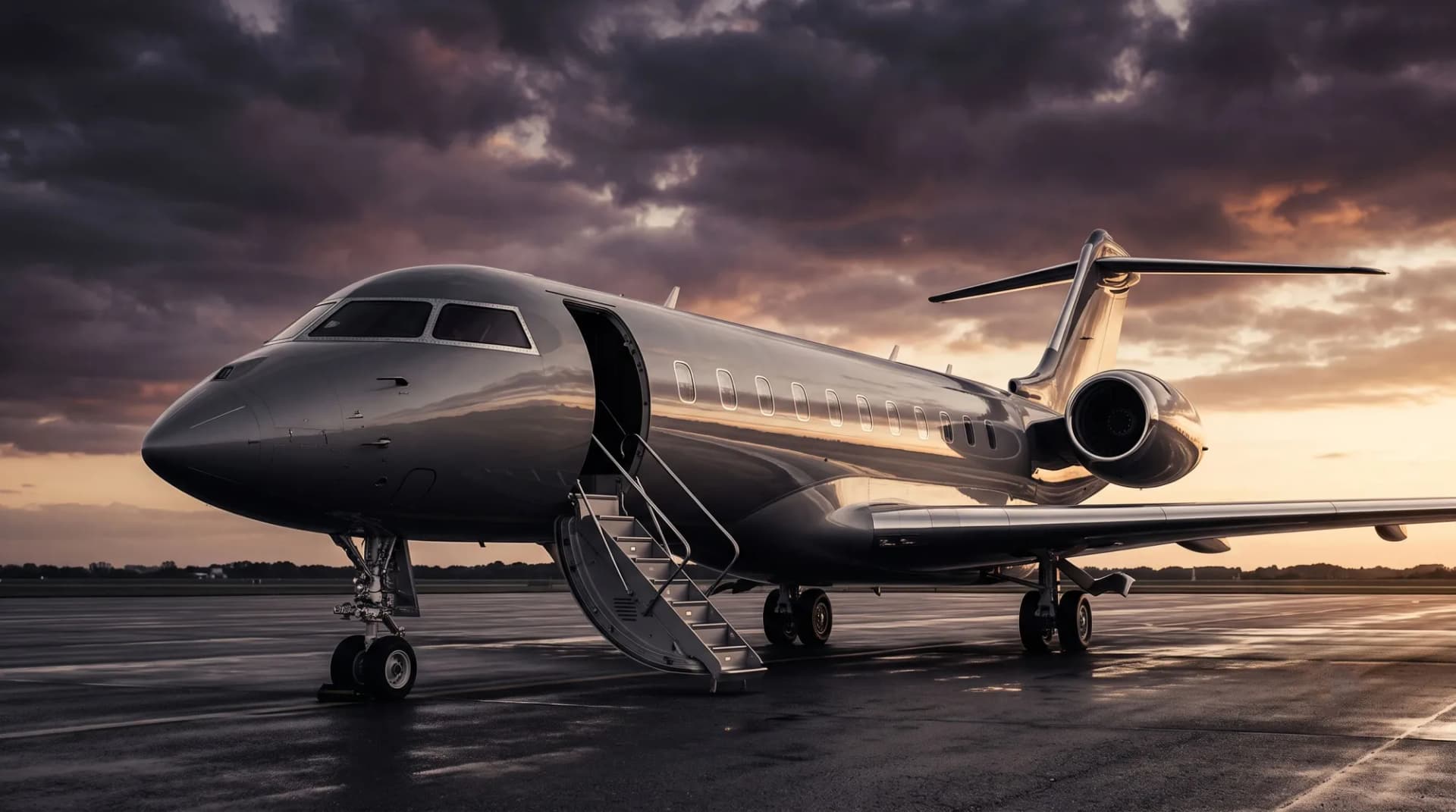
A private jet has a sticker price, and it's enormous. A new midsize jet runs $12 to $25 million; an ultra-long-range flagship like a Gulfstream G700 lists past $75 million. But ask anyone who actually owns one and they'll tell you the purchase price is the part they think about least. The real number is what it costs to keep the thing in the air, year after year, whether it flies or not.
Owning a private jet is a stack of costs that never stops accruing: crew, hangar, insurance, maintenance, and fuel, most of it owed even if the aircraft sits parked for a month. For a midsize jet, total annual ownership costs reached roughly $3.2 million in 2024, an 18% jump in five years as fuel, insurance, and pilot wages all climbed. Over a decade, the cost of running a jet routinely exceeds what you paid to buy it. Here's where all that money actually goes.
Crew: the biggest fixed cost
A private jet doesn't fly itself, and the people who fly it are the single largest fixed expense most owners face.
A midsize jet operating under private rules needs two pilots. In 2026, an experienced captain earns $150,000 to $220,000 a year, and a first officer $80,000 to $130,000. Loaded with benefits, a two-pilot crew runs somewhere between $260,000 and $450,000 annually. Larger cabins that need a flight attendant add another $80,000 to $150,000 on top. And this cost is completely fixed: your pilots earn their salaries whether the jet flies 300 hours or 30. On top of salary, both pilots must complete FAA-required simulator training every year, which runs $15,000 to $30,000 per pilot and cannot be skipped.
The standout: crew is the cost that surprises first-time owners most, because it's the one that feels least like "the plane." You're not just buying an aircraft. You're payrolling a small, highly trained team on permanent standby.
Hangar: rent for a very expensive tenant
A multimillion-dollar aircraft doesn't sit out in a parking lot. It lives in a hangar, and hangar space at the airports wealthy owners actually use is scarce and expensive.
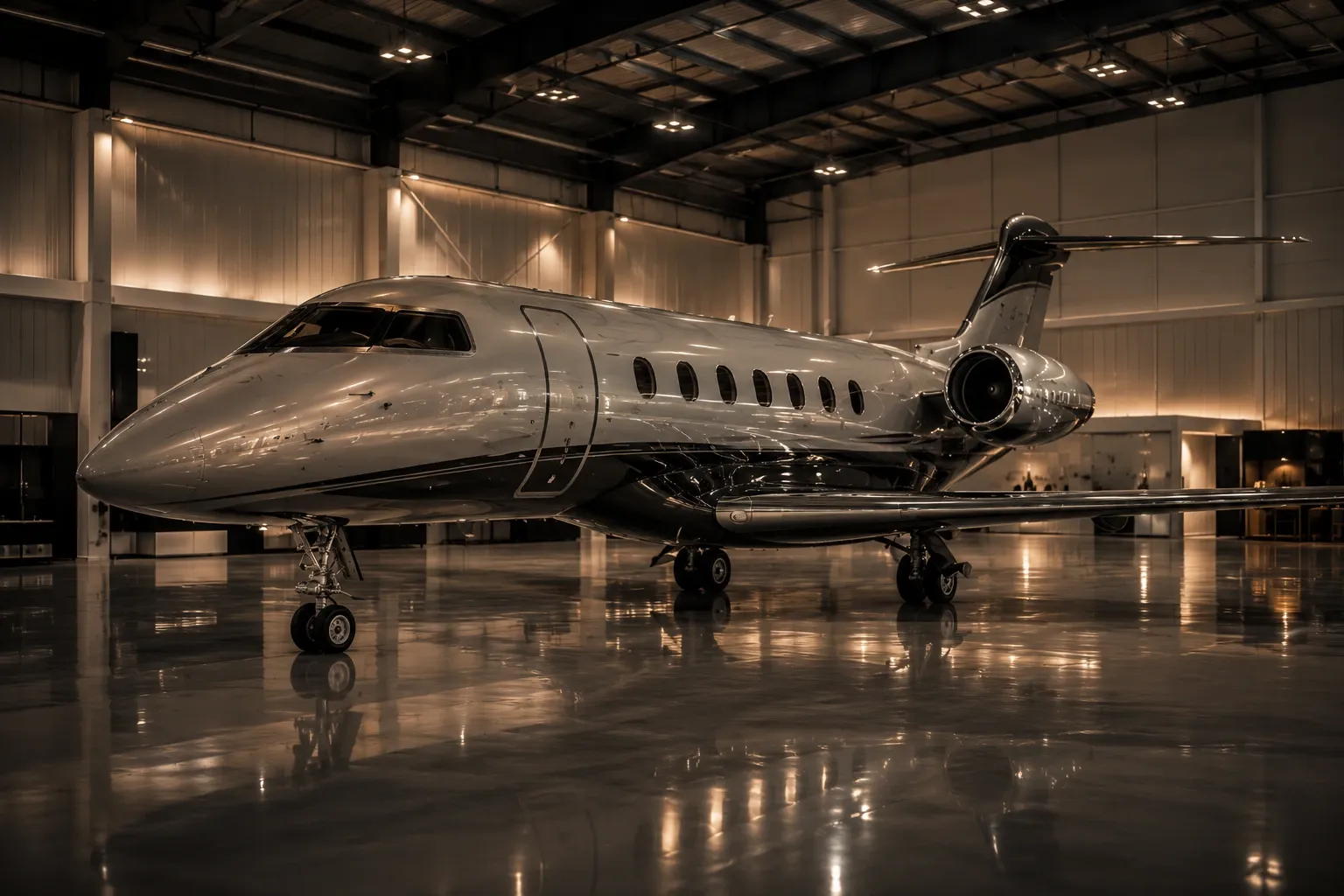
At a major metropolitan business airport, a hangar for a midsize jet runs $10,000 to $20,000 a month, which works out to $36,000 to as much as $240,000 a year depending on location and aircraft size. The premier business-aviation airports, Teterboro outside New York, Van Nuys in Los Angeles, London Farnborough, are the priciest and the most sought-after, and space at them is genuinely hard to get. Parking a jet outside in a mild climate saves money, but it shortens the life of the paint and interior, so most serious owners pay for the roof.
Insurance: rising fast
Insuring a private jet covers the hull (the aircraft itself) and liability, and like most of aviation, it's gotten more expensive in a hurry.
For a midsize jet, annual premiums run $60,000 to $120,000, typically pegged to a fraction of the aircraft's value, plus the owner's flight profile and the pilots' experience. Premiums have climbed sharply in recent years, up around 25% annually in a tightening market, as underwriters have grown more cautious. It's a smaller line than crew or fuel, but it's non-negotiable, and it only moves in one direction.
Maintenance: the cost you can't predict
Maintenance is the line that turns a manageable budget into a frightening one, which is exactly why the industry built a system to tame it.
Aircraft require scheduled inspections and engine overhauls that can cost hundreds of thousands of dollars when they come due. To avoid getting hit with a single catastrophic bill, most sophisticated owners enroll in a maintenance program and pay a fixed hourly reserve instead, typically $8,000 to $20,000 a month, or $96,000 to $240,000 a year, that converts unpredictable repairs into a predictable line item. Non-enrolled aircraft sell at a discount precisely because a buyer is inheriting that risk. And none of that covers the surprises: an unscheduled component failure can ground a jet for weeks and generate a six-figure repair with no warning.
Fuel: the biggest variable
Everything above is fixed. Fuel is where the bill moves with how much you actually fly.
A midsize jet burns roughly 200 to 250 gallons an hour. At 2026 Jet-A prices of $6 to $8 a gallon, that's $1,200 to $1,875 per flight hour just in fuel. An owner flying a typical 200 hours a year spends somewhere between $240,000 and $375,000 on fuel alone. Fly more, spend more, and the truly active owners flying hundreds of hours internationally can double that line without trying.
So what's the real number?
Add it up and a midsize private jet costs, very roughly, $1 million to $3 million-plus a year to own, before depreciation and before the loan payment if the jet is financed.
Annual cost | Low end | High end |
|---|---|---|
Crew (loaded, two pilots) | $260,000 | $450,000 |
Crew training | $30,000 | $60,000 |
Hangar | $40,000 | $240,000 |
Insurance | $60,000 | $120,000 |
Maintenance program | $96,000 | $240,000 |
Fuel (at ~200 hrs) | $240,000 | $375,000 |
Estimated total | ~$725K | ~$1.5M+ |
Those are directional ranges for a midsize jet at moderate use, and the top end climbs fast: a large-cabin or ultra-long-range aircraft flown hundreds of hours a year clears $3 million annually without difficulty, which is how the midsize average landed at $3.2 million once heavy users are counted in. Management fees, international handling, landing fees, and cabin upgrades all sit on top of the table above.
There's a reason so many owners let a management company charter the jet out when they're not using it: charter revenue can offset anywhere from 40% to 80% of the fixed costs. It rarely makes the jet free, and it adds wear that shortens the life of the paint, interior, and engines, but it softens a brutal annual number.
The same math as the mansion
If this pattern feels familiar, it should. It's the exact dynamic that governs what it actually costs to own a $100 million home: the headline purchase price is almost beside the point next to the cost of keeping the asset running. A jet, like a trophy estate, isn't a thing you buy once. It's a thing you fund, indefinitely. It's the same reason a lot of luxury spending skews toward renting the experience instead of owning the asset, right down to what it costs to rent a private villa for a trip rather than buying a home abroad.
Which is why, for a lot of the ultra-wealthy, the real question was never whether they could afford the jet. It's whether they fly enough to justify feeding it. Below about 200 hours a year, most of them quietly conclude they don't, and charter instead. It's the same instinct behind booking a mansion for a week instead of carrying one year-round.
Frequently Asked Questions
How much does it cost to own a private jet per year?
A midsize private jet costs roughly $1 million to $3 million a year to own, before depreciation and any loan payments. The biggest expenses are crew salaries, hangar fees, insurance, maintenance reserves, and fuel, most of which are owed whether the jet flies or not. Industry data put total annual ownership costs for a midsize jet at about $3.2 million in 2024 once heavy users are included, and large-cabin or ultra-long-range jets flown frequently cost considerably more.
What are the biggest costs of owning a private jet?
The largest costs are crew, fuel, and maintenance. A two-pilot crew loaded with benefits runs $260,000 to $450,000 a year and is owed regardless of how much the jet flies. Fuel is the biggest variable cost, at roughly $1,200 to $1,875 per flight hour for a midsize jet. Maintenance reserves on a manufacturer program typically run $96,000 to $240,000 annually, with hangar ($40,000 to $240,000) and insurance ($60,000 to $120,000) rounding out the major fixed lines.
How much does a private jet pilot cost?
In 2026, an experienced private jet captain earns $150,000 to $220,000 a year, and a first officer earns $80,000 to $130,000. A midsize jet requires two pilots, so combined crew compensation with benefits typically runs $260,000 to $450,000 annually. Larger jets that need a flight attendant add $80,000 to $150,000, and FAA-required annual simulator training costs another $15,000 to $30,000 per pilot. Crew is a fixed cost owed whether the aircraft flies or not.
Is it cheaper to charter or own a private jet?
For most people, chartering is cheaper unless they fly a lot. Ownership generally only makes financial sense above roughly 150 to 200 flight hours a year, because the fixed costs of crew, hangar, and insurance are owed regardless of use. Below that threshold, chartering or fractional ownership usually costs less, since you pay only for the hours you actually fly and avoid the standing overhead of a full-time crew and a parked aircraft.
Does owning a private jet cost more than buying it?
Often, yes, over time. While the purchase price of a private jet ranges from a few million dollars to well over $75 million, the annual operating costs of crew, fuel, maintenance, insurance, and hangar frequently total $1 million to $3 million or more. Over a decade of ownership, those recurring costs routinely exceed the original purchase price of the aircraft, which is why experienced buyers budget for the full cost of ownership rather than just the sticker price.
BallerCribs Weekly
Get the wildest luxury homes every week — free.
Free forever. Unsubscribe anytime.