
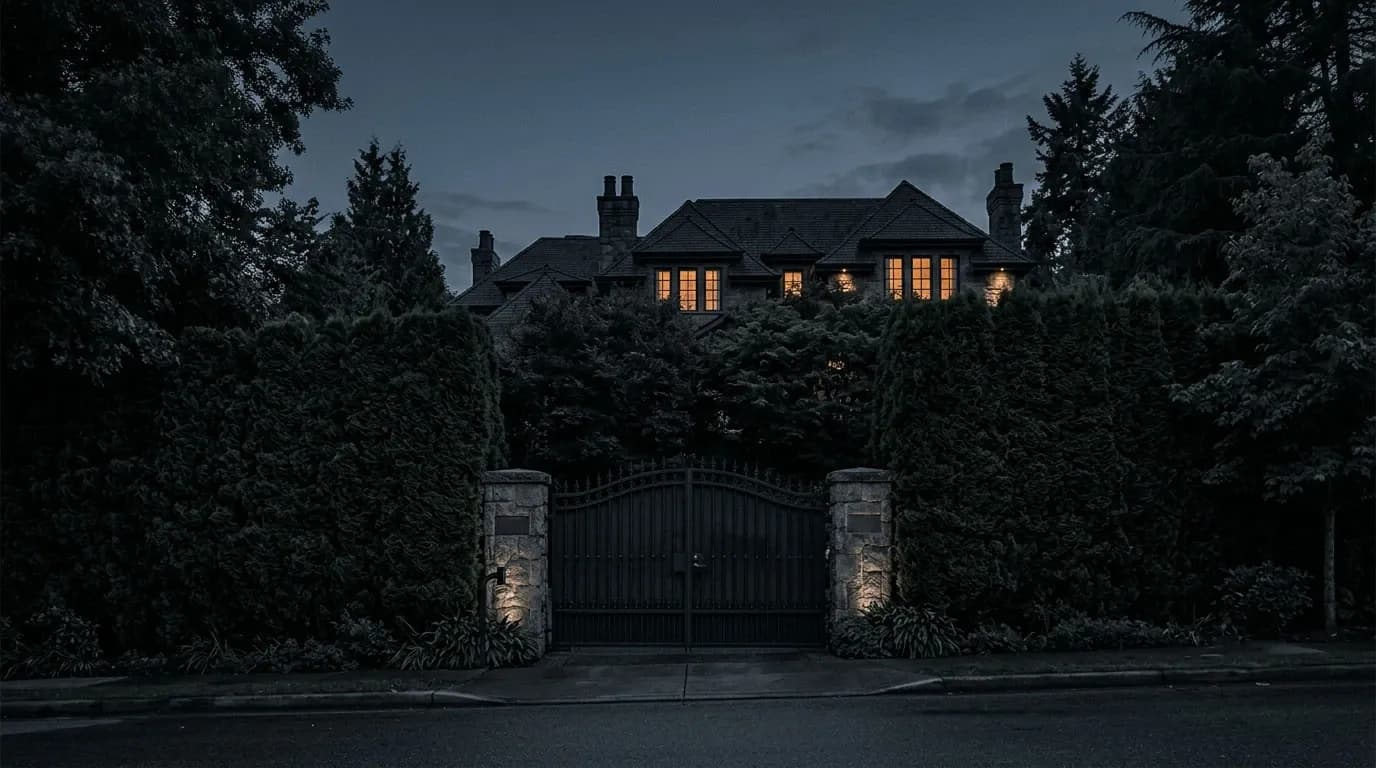
How Do Celebrities Buy Homes Without Anyone Knowing?
Blind trusts, shell LLCs, and the art of staying off the deed.
Jun 26, 20266 min read
When a celebrity buys a $20 million house, the deal is supposed to vanish into public record like anyone else's. The deed gets filed at the county. The price becomes searchable. The address is there for anyone who looks. Except, for the people who can afford to prevent it, none of that happens.
A-listers buy and sell some of the most expensive homes in the country without their names ever touching the paperwork. It isn't luck and it isn't a loophole. It's a deliberate stack of legal structures, trusted intermediaries, and off-market deals, built specifically to keep the public, the press, and the occasional obsessive fan from ever connecting a person to an address. Here's how it actually works, where it breaks, and what's quietly changing in 2026.
The anonymous LLC
The most common privacy tool is the limited liability company. Instead of a celebrity's name on the deed, the buyer of record is a neutral-sounding entity, a "Mountain View Holdings LLC" that reveals nothing about who's behind it.
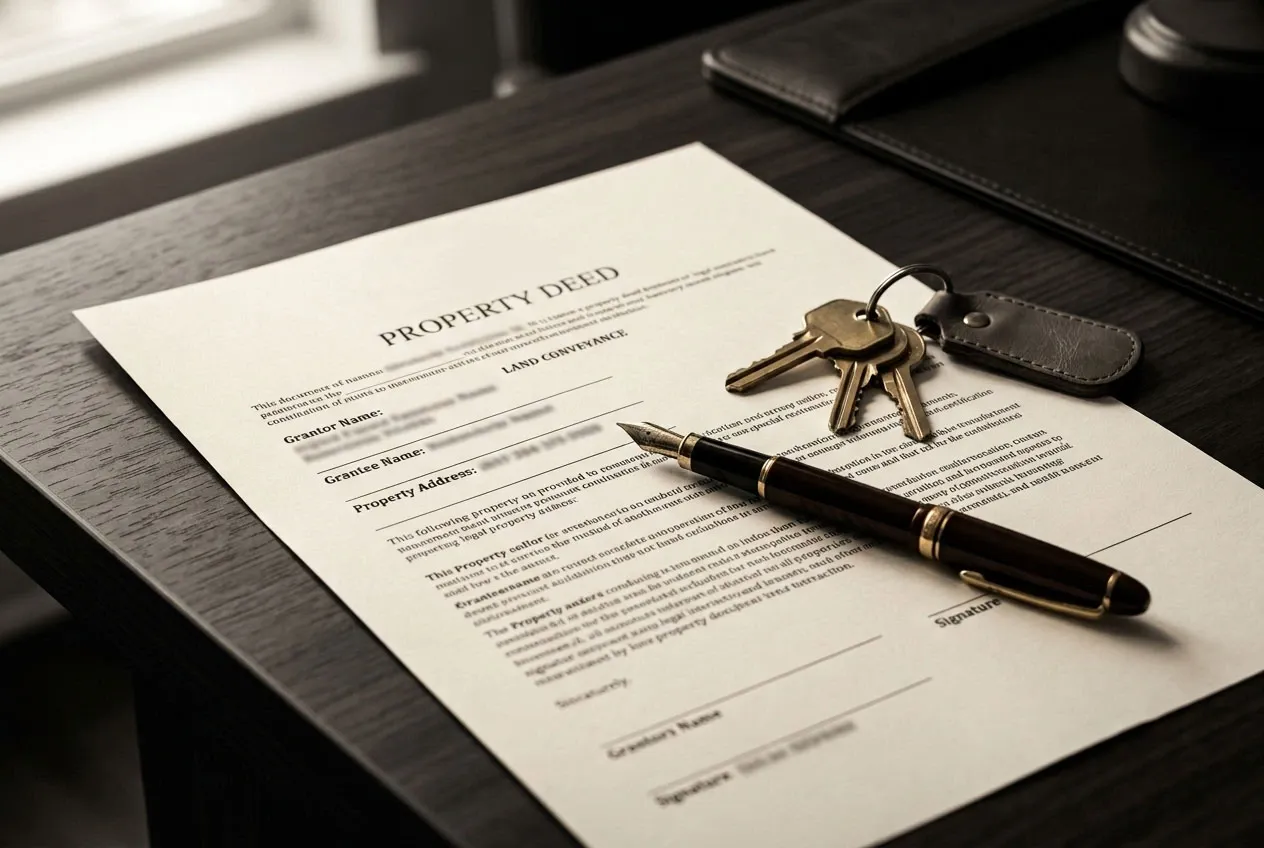
The mechanics are simple. A new LLC is formed specifically to purchase the property, the offer is written in the entity's name, and the deed records the entity, never the individual. Done right, the celebrity's name never enters the public record at all. The catch is that an LLC is only as anonymous as its paper trail and its name. Sarah Palin's Scottsdale home was bought by "Safari Investments LLC," a company reportedly created the day before the deal closed, with a name traced back to a lake where the family owned property. The structure worked mechanically. The naming gave it away.
The ultimate flex? Layering. When one entity isn't enough, buyers stack them, an LLC owned by a trust owned by another entity, sometimes four or five layers deep, so that unwinding the chain takes more digging than most journalists or fans will ever do.
The blind trust
For the cleanest privacy available, celebrities reach past the LLC to the blind trust.
In a blind trust, a trustee, usually a law firm or a professional trust company, holds title to the property. The deed shows only the trustee's name and the trust's name. The actual owner, the beneficial owner in legal terms, never appears in any public record tied to the property. As one Beverly Hills real estate attorney describes it, celebrities find a trusted lawyer or business manager to serve as trustee and set up a trust whose name can't be easily connected to them. It's widely regarded as the strongest privacy protection available in a real estate purchase.
The failure mode is almost always the name. In 2011, Jennifer Aniston bought several units in a West Village building through a trust, taking real pains to stay anonymous, until reporters realized the entity behind the purchase, "Norman's Nest Trust," was named after her dog. The lesson the pros took from it: name the trust something boring. A street address. A generic holding company. Anything but the name of your pet.
The all-cash deal
Almost every high-end privacy purchase has one thing in common: no mortgage.
Paying cash isn't just a flex at this level, it's a privacy tool. A mortgage means a lender, a lien, and a personal guarantee, each of which creates another document and another party who knows who's really buying. A cash purchase eliminates all of it. The seller gets paid, the deed records the trust or LLC, and no bank file ever ties the transaction to a name. For a celebrity with the liquidity to do it, an all-cash purchase held in a blind trust is the cleanest version of the whole playbook. It also sidesteps one set of costs while saying nothing about the millions a year it takes to actually keep a home at this level.
The off-market sale
The most private deals never hit the open market at all.
A huge share of ultra-luxury transactions are off-market, sold quietly through a tight network of agents who carry the inventory in their heads rather than on a public listing site. Taylor Swift reportedly bought two New York City properties, a townhouse and a loft, in off-market deals specifically to keep the details hidden. Ellen DeGeneres, one of the most active celebrity real estate traders of the past decade, secured the off-market sale of a roughly $96 million estate in Carpinteria. In the gated enclaves where these buyers cluster, off-market keeps the price, the photos, and the timing out of public view, and because there's no listing, there are no interior shots to be screen-captured and archived on fan forums later.
When the home does have to be listed, the privacy work continues. Listings get stripped of personal belongings that might identify the owner, showings happen privately during off-hours, and some buyers go a step further and send a stand-in or buy through a proxy, a person who purchases the home in name only on the celebrity's behalf, so that not even the agents on the other side know who they're really dealing with.
Why it sometimes fails anyway
For all the structure, celebrity deals still leak, and it's rarely because the legal work failed.
The structures themselves usually hold. What gives them away is everything around them: a trust named after a dog, an LLC formed suspiciously close to a closing date, a friend who mentions it to the wrong person, or a journalist who's simply good at cross-referencing public records. Reporters who cover this beat have a real talent for matching a curiously named entity to the human behind it, which is exactly why the most careful buyers have moved toward proxies and aggressively boring entity names. The weak link is almost never the law. It's the human detail.
What's changing in 2026
Here's where it gets genuinely current, because the rules around this just whipsawed.
In recent years, the federal government moved to pull back the veil. A new Treasury rule, the Residential Real Estate Reporting Rule, took effect on March 1, 2026, requiring that non-financed (all-cash) transfers of residential property to LLCs and trusts be reported to FinCEN, including the identity of the beneficial owners, the exact people these structures are designed to hide. It targeted the privacy playbook directly.
Then it was struck down. On March 19, 2026, a federal court in Texas vacated the rule entirely, ruling that the agency had exceeded its legal authority. As of this writing in June 2026, the rule is not in effect, and buyers using these structures are not required to file those disclosures. But FinCEN has appealed the decision, so the status is genuinely unsettled, and the privacy landscape could shift again depending on how the appeal plays out. (This is a fast-moving legal situation, not legal advice, anyone navigating it should be working with a real estate attorney, not a blog post.)
The takeaway: the core structures, anonymous LLCs, blind trusts, all-cash off-market deals, remain legal and remain the standard. What's contested is how much the government gets to see behind them.
So can you actually hide who owns a house?
Mostly, yes, if you do it right, and if you're willing to pay for it.
The playbook is real and it works: a blind trust with a boring name, an all-cash purchase so no lender is involved, an off-market deal so nothing lists publicly, and enough layering that unwinding the chain isn't worth anyone's time. It's the same toolkit the ultra-wealthy use far beyond Hollywood, which is one reason so many trophy estates are owned through LLCs and trusts rather than in an individual's name. Privacy at this level isn't a single trick. It's a stack, and the people who get it right are the ones who sweat the boring details, especially the name on the door.
For everyone who'd rather enjoy a place like this for a week without the trust paperwork, here's how to book a mansion instead.
This article is general information, not legal or tax advice. Ownership structures depend on the state and the buyer's circumstances, so consult an attorney before setting one up.
Frequently Asked Questions
How do celebrities buy houses anonymously?
Celebrities buy homes anonymously by purchasing through legal entities instead of in their own names, most often an anonymous LLC or a blind trust that appears on the deed in place of the individual. They typically pay all cash to avoid a lender, buy off-market so the deal never lists publicly, and sometimes layer multiple entities or use a proxy buyer for extra distance. Done correctly, the celebrity's name never enters the public property record.
What is a blind trust in real estate?
A blind trust is an arrangement where a trustee, usually a law firm or professional trust company, holds title to a property on behalf of the real owner. The deed shows only the trustee and the trust's name, so the beneficial owner, the person who actually controls the home, never appears in public records tied to the property. It's widely considered the strongest privacy protection available in a real estate purchase, stronger than an LLC.
Can you really hide who owns a house?
Mostly, yes, if it's structured correctly. A blind trust with a deliberately generic name, an all-cash purchase with no lender involved, and an off-market deal can keep an owner's identity out of public view. The structures rarely fail on their own; leaks usually come from human details, like a trust named after a pet, an entity formed suspiciously close to closing, or a journalist cross-referencing public records.
Why do celebrities pay cash for homes?
Cash purchases protect privacy. A mortgage requires a lender, a recorded lien, and a personal guarantee, each of which creates another document and another party who knows the buyer's true identity. Paying cash eliminates all of that: the seller is paid, the deed records the trust or LLC, and no bank file ties the transaction to a name. For buyers with the liquidity, an all-cash purchase held in a blind trust is the cleanest privacy structure available.
Is it legal to buy a house through an LLC to stay anonymous?
Yes. Buying a home through an LLC or trust for privacy is legal and common, used widely by celebrities, executives, and ultra-wealthy buyers. There have been federal efforts to require more disclosure of who's behind these entities, but a Treasury reporting rule aimed at all-cash entity purchases was vacated by a federal court in March 2026 and is currently under appeal, leaving the rules unsettled as of mid-2026. The ownership structures themselves remain fully legal.
BallerCribs Weekly
Get the wildest luxury homes every week — free.
Free forever. Unsubscribe anytime.