
The Tri-State Mansion Tax: What a Luxury Sale Costs in NY, NJ and CT
Same price, roughly four times the tax, depending on which side of the line the house sits.
How much is the mansion tax in New York, New Jersey and Connecticut? It depends on which side of a state or city line the house sits, and the answer is not even the same tax. Inside New York City, the buyer pays a mansion tax of 1% to 3.9% of the price. Elsewhere in New York State it is a flat 1%. New Jersey charges up to 3.5%, and since July 2025 the seller pays it. Connecticut has no mansion tax at all, but its conveyance tax climbs to 2.25% on the part of a price above $2.5 million.
Add the regular transfer taxes and the gap gets wide. On a $15 million sale, the total comes to about $210,000 on Long Island, $346,000 in Greenwich, $704,000 in New Jersey and $836,000 in Manhattan. Same price, roughly four times the tax.
Here is how each one works, and where the cheapest side of the line is.
A $15 million sale, four ways
Where the house sits | Buyer pays | Seller pays | Total | Share of price |
|---|---|---|---|---|
New York State, outside NYC | $150,000 | $60,000 | $210,000 | 1.4% |
Greenwich, Connecticut | None | $346,000 | $346,000 | 2.3% |
New Jersey | None | $703,975 | $703,975 | 4.7% |
Manhattan | $525,000 | $311,250 | $836,250 | 5.6% |
Each figure assumes a residential sale at the full price with no exemptions. Who pays is set by law or by local custom, and the purchase contract can shift it.
How each state taxes the sale
New York City. The buyer pays the mansion tax, and the rate depends on the price, according to the New York State Department of Taxation and Finance. It is 1% from $1 million, rising in steps to 3.25% at $10 million, 3.5% at $15 million and 3.9% at $25 million. Each rate applies to the whole price, not just the part above the step. The seller separately pays the state transfer tax of 0.65% at this level and the city's Real Property Transfer Tax of 1.425%.
The rest of New York State. The buyer pays a flat 1% mansion tax on residential sales of $1 million or more. The seller pays the state's 0.4% transfer tax. The higher city rates stop at the city line.
New Jersey. The state replaced its flat 1% mansion tax with a graduated fee in July 2025 and moved it from the buyer to the seller. On residential sales, the New Jersey Division of Taxation lists 1% above $1 million, rising to 3.5% above $3.5 million, applied to the whole price. The seller also pays the regular realty transfer fee, which comes to about $179,000 on a $15 million sale.
Connecticut. There is no mansion tax. The seller pays a state conveyance tax that, for homes, is 0.75% on the first $800,000, 1.25% up to $2.5 million and 2.25% on anything above that. Only the slice above each line pays the higher rate. Towns add 0.25%, and 19 eligible cities and towns can add up to 0.25% more.
The $15 million comparison
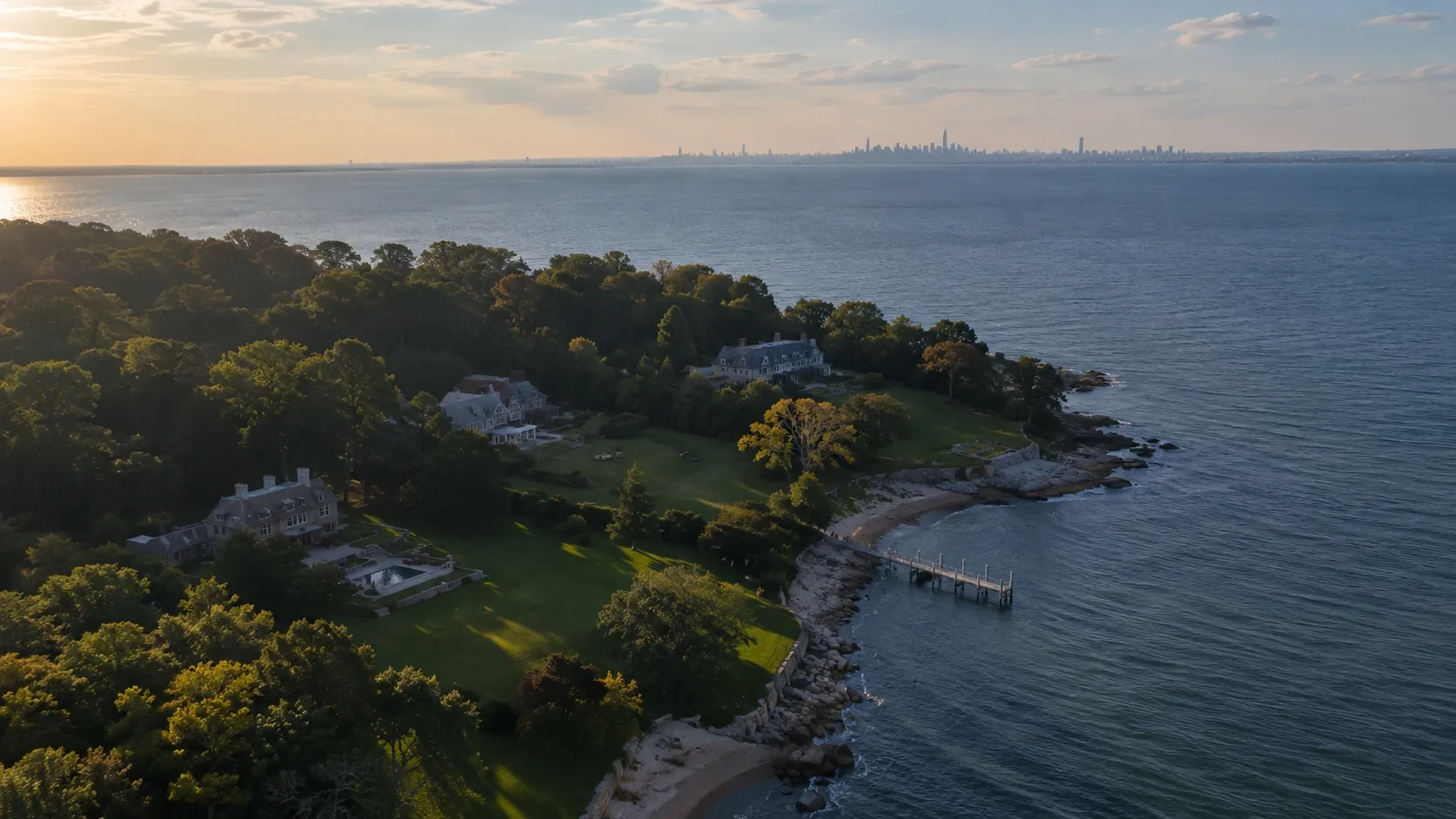
Snapple House in Hewlett Bay Park is listed at $15 million. It sits on two acres in Nassau County with 240 feet of water frontage and a private dock.
Sold at asking, the buyer would owe $150,000 in mansion tax and the seller $60,000 in state transfer tax. The same price in Manhattan would cost the buyer $525,000 before closing, and the seller another $311,250 on top.
That is a $626,000 difference for crossing the city line. In Florida, the same $15 million sale owes $90,000 to $105,000 in deed tax, with no mansion tax at all.
Below $10 million, New Jersey costs more than Manhattan
New Jersey's top rate, 3.5%, starts at $3.5 million. Manhattan's mansion tax does not reach 3.5% until $15 million. Add up everything both sides pay, and New Jersey's total is higher than Manhattan's at every price from about $2 million to just under $10 million.
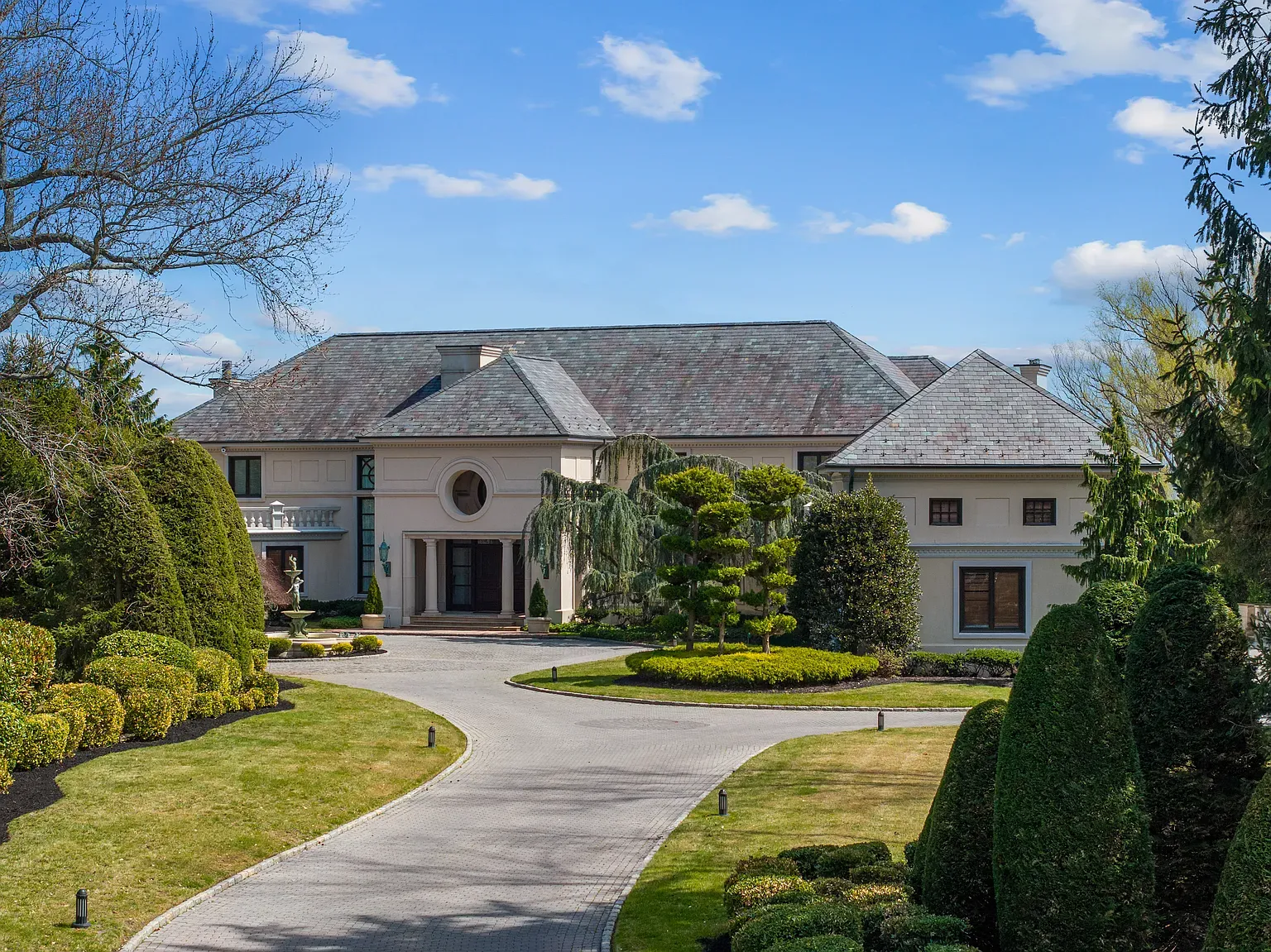
Take the Trails End estate in Chappaqua, listed at $5.75 million on nine acres in Westchester.
Where the house sits | Buyer pays | Seller pays | Total |
|---|---|---|---|
New York State, outside NYC | $57,500 | $23,000 | $80,500 |
Greenwich, Connecticut | None | $114,750 | $114,750 |
Manhattan | $129,375 | $119,313 | $248,688 |
New Jersey | None | $268,300 | $268,300 |
At this price, a New Jersey seller hands over more than a Manhattan buyer and seller pay together. The order flips at $10 million, where Manhattan's mansion tax jumps to 3.25%.
The bigger change in New Jersey is who writes the check. Before July 2025, the mansion tax was the buyer's cost. Now it comes out of the seller's proceeds. On a $5.75 million sale, the old rule cost the buyer a flat 1%, or $57,500. The new one costs the seller $201,250.
The cheapest side of the line
Of the four places compared here, New York State just outside the city has the lowest total at every price above about $2.7 million. No extra city rates, no graduated mansion tax, and the seller's transfer tax stays at 0.4%. Below that, Greenwich comes out slightly cheaper.
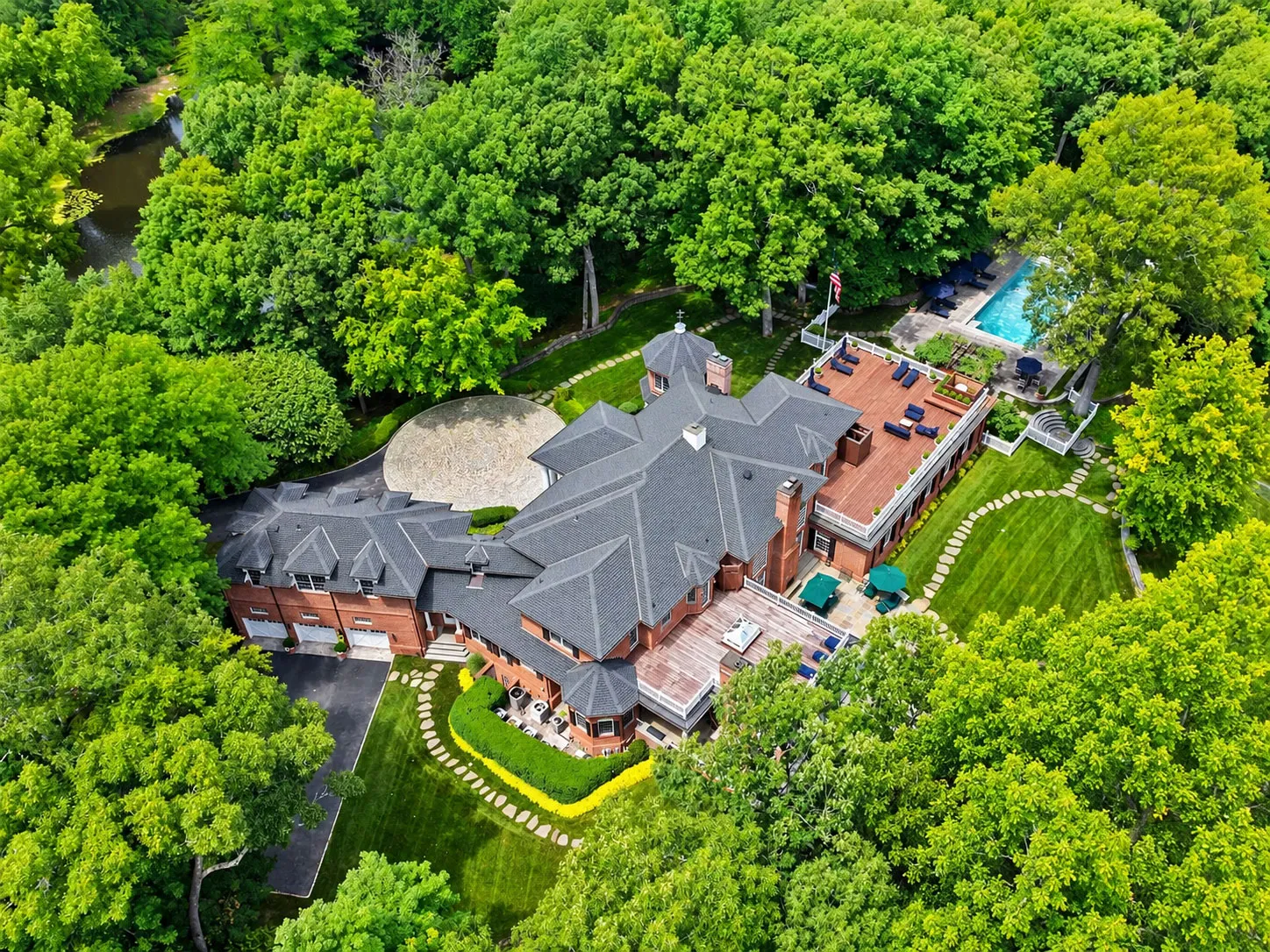
Fort Hill on Lloyd Neck makes the point at the top of the market. A 1910 estate on ten acres above Long Island Sound, with 870 feet of private beach, it is listed at $15,495,000. Sold at asking, transfer taxes would total about $217,000. The same price in Manhattan would come to about $864,000.
The same logic holds lower down. A contemporary estate in Woodbury at $4.45 million would owe about $62,000, against about $207,000 in New Jersey.
Two exceptions are worth knowing. A few Westchester cities, including Yonkers, Mount Vernon and Peekskill, add their own transfer tax. And the East End towns of the Hamptons add a separate local transfer tax of their own. Check the specific town before you rely on the state numbers.

New in 2026: New York City's second-home surcharge
Transfer taxes are paid once. New York City now adds an annual cost for homes that are not anyone's primary residence.
Starting with the 2026-27 tax year, the NYC Department of Finance charges a yearly surcharge on high-value homes that are not used as a primary residence. For one- to three-family houses valued by the city at $5 million or more, it is 0.8% to 1.3% of that value. For condos and co-ops valued at $1 million or more, it is 4% to 6.5%. Homes rented as someone's primary residence on a lease of at least a year are generally exempt.
The condo rates look severe, but they apply to the city's own valuation. For co-ops and larger condos, that value is based on comparable rents and generally comes in far below the sale price. The surcharge runs through June 2031, and from the 2028-29 tax year the city plans to value condos and co-ops on comparable sales instead, with the lower house rates applying to them.
The practical upshot: for a buyer who will not live in the city full time, the cost of a Manhattan home is no longer just the mansion tax at closing. It is an annual line on the tax bill too.
What to check before you buy or sell
The exact jurisdiction. City, town and state lines all move the number. A Long Island or Westchester address can owe a fraction of what the same price owes in Manhattan.
Where the price sits against the steps. New York's mansion tax and New Jersey's fee apply their rate to the whole price, so crossing a step by a dollar can cost tens of thousands. In New York City, a $10,000,000 purchase owes $100,000 more in mansion tax than one at $9,999,999.
Who pays. In New York, the buyer pays the mansion tax and the seller pays the transfer taxes. In New Jersey and Connecticut, the seller pays. The contract decides the final split.
Whether it will be a primary residence. In New York City, a second home now carries an annual surcharge as well.
The same thing happens on the other coast. In Los Angeles, Measure ULA follows the city line, and two listings priced half a million dollars apart owe $1.51 million and $27,000. For the top of the Tri-State market right now, see the most expensive homes for sale in the NY Tri-State.
If you want the wildest homes on the internet in your inbox every week, free, join the newsletter.
This article is general information, not tax or legal advice. Rates, thresholds, exemptions and who pays can change and vary by transaction, so confirm the details for any specific sale with a real estate attorney or tax professional.
Frequently asked questions
How much is the mansion tax in New York City?
The buyer pays it, and the rate depends on the price. It is 1% from $1 million, rising in steps to 3.25% at $10 million, 3.5% at $15 million and 3.9% at $25 million, applied to the whole price. On a $15 million purchase that is $525,000. The seller separately pays state and city transfer taxes, about 2.075% of the price at that level.
Who pays the mansion tax in New Jersey?
The seller, since July 10, 2025. New Jersey replaced its flat 1% buyer-paid mansion tax with a graduated fee paid by the seller: 1% above $1 million, rising to 3.5% above $3.5 million, applied to the whole price. On a $5.75 million sale that is $201,250, on top of the regular realty transfer fee.
Is the mansion tax higher in New Jersey or New York City?
It depends on the price. New Jersey's seller-paid fee reaches its top rate of 3.5% at $3.5 million, while New York City's buyer-paid mansion tax does not reach 3.5% until $15 million. Counting every transfer tax both sides pay, a New Jersey sale costs more than the same price in Manhattan from about $2 million to just under $10 million. At $10 million and above, Manhattan costs more.
Does Connecticut have a mansion tax?
No. Connecticut charges a conveyance tax instead, paid by the seller. For homes it is 0.75% on the first $800,000, 1.25% up to $2.5 million and 2.25% on the portion above that, plus a municipal tax of at least 0.25%. On a $15 million sale in Greenwich, the total comes to about $346,000.
Is there a mansion tax in New York outside New York City?
Yes, a flat 1% paid by the buyer on residential purchases of $1 million or more. The city's higher steps do not apply. The seller pays the state's 0.4% transfer tax. On a $15 million sale on Long Island, that comes to $150,000 for the buyer and $60,000 for the seller, about a quarter of the Manhattan total.
What is the New York City pied-à-terre tax?
It is an annual surcharge, starting with the 2026-27 tax year, on high-value city homes that are not used as anyone's primary residence. For one- to three-family houses valued by the city at $5 million or more, it is 0.8% to 1.3% of that value. For condos and co-ops valued at $1 million or more, it is 4% to 6.5%, applied to the city's own valuation, which for co-ops and larger condos is generally far below the sale price.
BallerCribs Weekly
Get the wildest luxury homes every week — free.
Free forever. Unsubscribe anytime.